
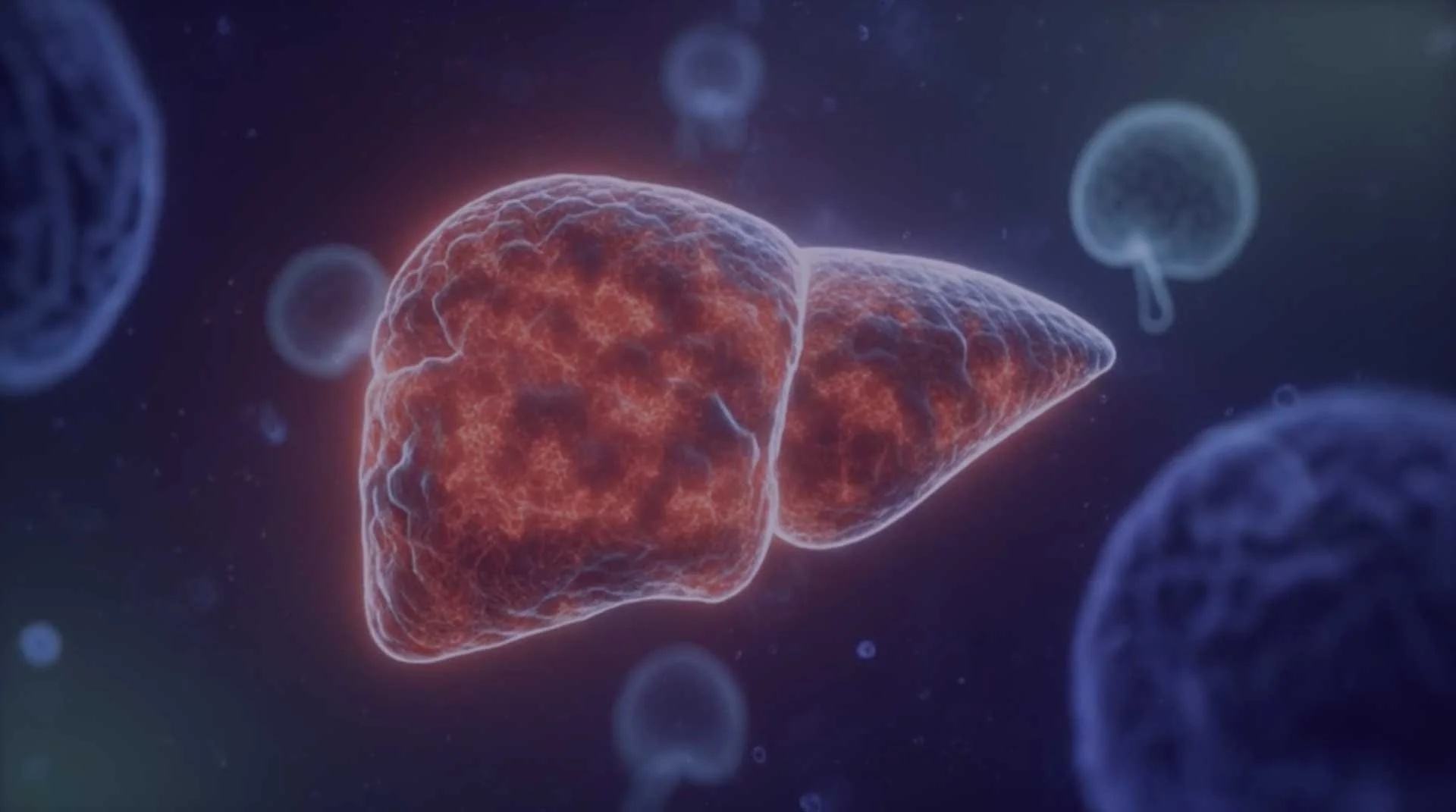
The burden of liver diseases
harnessing intrinsic Regenerative Circuits to Promote Liver Health.
“Is life worth living? It all depends on the liver”
— William James (attributed)
Global burden of liver diseases
2 million deaths or 1 out of every 25 deaths each year from liver disease.
11th leading cause of death worldwide.
15th leading cause of disability-associated life-years.
Cost of liver disease in the USA is $32.5 billion (2016) and is expected to increase substantially.
Burden of chronic liver disease
Metabolic dysfunction-associated steatotic liver disease (MASLD).
1 in 4 people have MASLD, driven by obesity and type 2 diabetes.
2nd leading cause of liver transplantation.
Acute liver failure (ALF)
Drug-induced liver injury, a major cause of ALF, annually 14–24 cases per 100,000.
In the U.S., acetaminophen overdose accounts for ~46% of ALF cases, leading to over 50,000 hospitalizations and 400–500 deaths each year.
Alcohol-associated liver disease
Leading cause of cirrhosis, globally .
Responsible for almost 60% of cirrhosis cases in America and Europe.
Liver transplantation (LT) is the only viable option for patients with advanced liver disease and liver failure
LT is the second most common solid organ transplantation worldwide.
Less than 10% of global liver transplantation needs are met at current rates of transplantation.
LT is constrained by risk of graft rejection, immunosuppression-related complications, small-for size syndrome and high cost
Devarbhi et al., J Hepatol. 2023
Zhang et al., JAMA Netw Open., 2025
Pipeline 1: Liver Injury and Regeneration
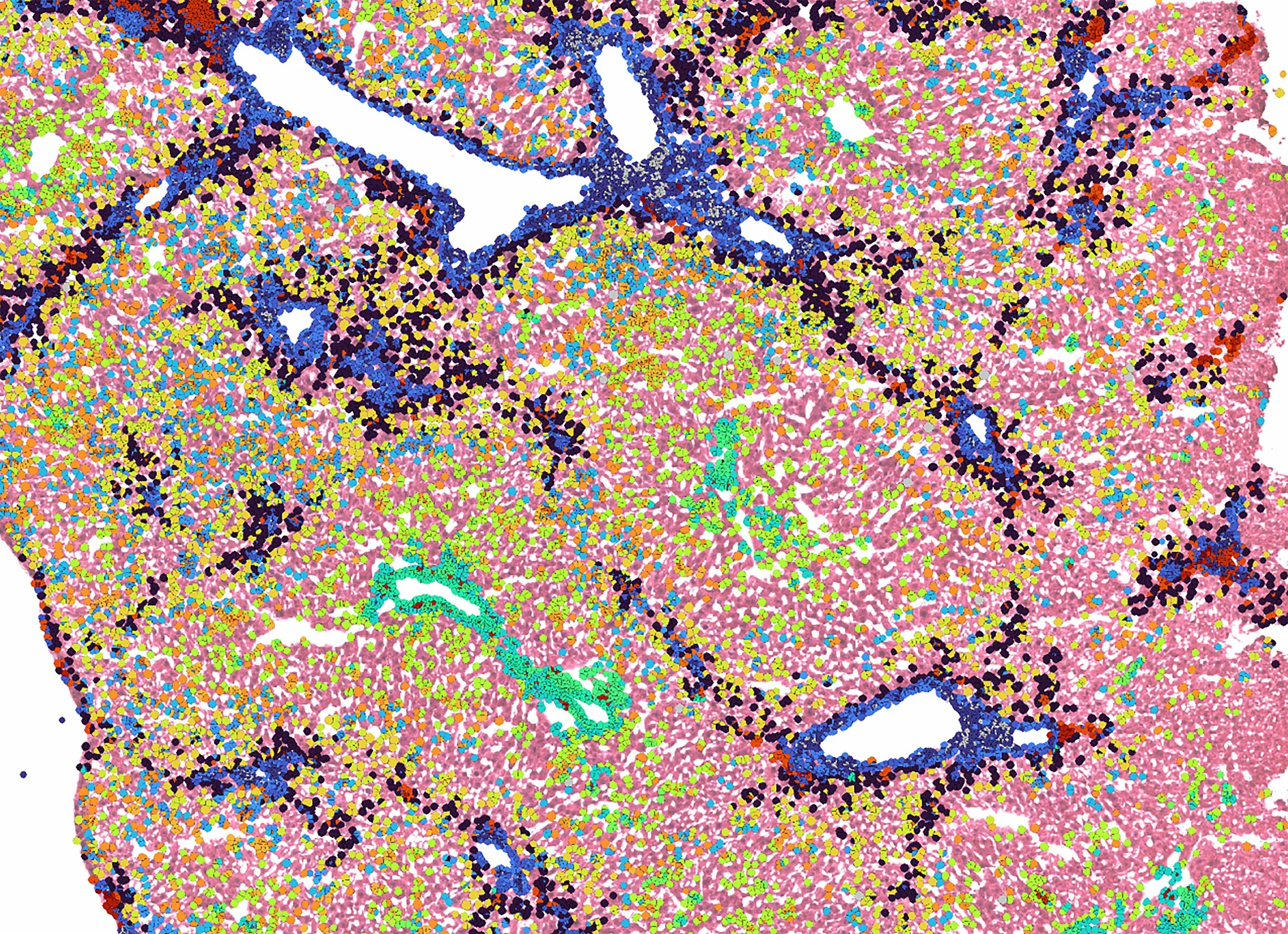
We harness endogenous repair and regenerative mechanisms in the liver to reverse injury and restore function. Our precision biologics rewire cell-cell communication to activate intrinsic repair programs that drive regeneration following liver injury.

Pipeline 2: Reprogramming Pro-reparative Immune Circuits to Promote Liver Repair
Our precision biologics target pro-reparative circuits in immune cells to promote tissue repair following liver injury.